GTA 6 launches November 19 · Halo Campaign Evolved out July 28 · Palworld 1.0 launches July 10 · AC Black Flag Resynced sells 3M copies · Nintendo Switch 2 leads US console sales · Elden Ring coming to Switch 2 August 28
Trump comments on Venezuela earthquake aid spark debate
·⏱ 4 min read
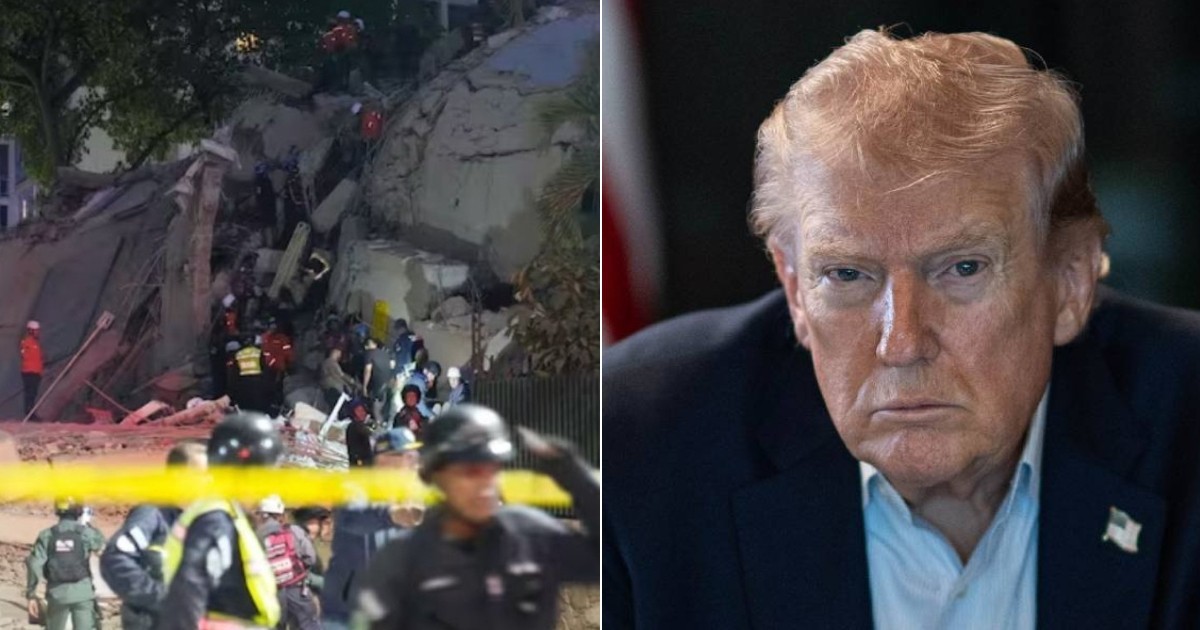
Trump's remarks on Venezuela earthquake aid\n\nA discussion about U.S. relief to Venezuela after recent earthquakes has reentered the national dialogue, with former President Donald Trump reportedly weighing in on how aid should be delivered. The remarks, circulating in media reports and social media threads, touched on the interplay between disaster relief and political control in a country long divided by protests and government control. Observers say the episode highlights how humanitarian response can become entangled in partisan narratives even when the immediate goal is to save lives.
Background: Venezuela, earthquakes, and relief access\n\nVenezuela has faced a combination of natural hazards and a fragile public health system that makes rapid relief essential. International humanitarian groups have urged authorities to guarantee safe, unfettered access for aid workers and supplies. The United States maintains sanctions on the Maduro regime but has carved out humanitarian exemptions intended to facilitate relief deliveries. Analysts say the relief landscape in Venezuela is shaped by a tense balance between sanctions policy, political leverage, and the practical needs of people affected by disasters.\n\n### The core of the remarks: what Trump reportedly said\n\nAccording to sources familiar with the matter, Trump suggested that the United States could accelerate or expand humanitarian assistance to Venezuela if the Maduro government cooperated with relief agencies. He emphasized the importance of getting aid to people quickly and hinted at the possibility of streamlining clearance processes for shipments. The remarks stop short of promising new policy steps and do not indicate an official administration position, but they quickly drew attention from lawmakers and aid groups who monitor U.S. disaster diplomacy.\n\n### Reactions from Caracas, regional partners, and aid groups\n\nVenezuela's government said it expects humanitarian relief to be delivered through recognized channels and underscored the need to keep aid separate from political influence. In the border states, neighboring governments including Colombia and Brazil welcomed the prospect of faster aid but urged that relief not be hijacked for political ends. Humanitarian organizations stressed that independent access for aid workers is critical to avoid delays and ensure accountability in how aid reaches the most vulnerable.\n\n### Policy backdrop: sanctions, relief carve outs, and public diplomacy\n\nThe policy framework around Venezuela relief remains complicated. Sanctions targeting the Maduro regime are designed to pressure political reform while allowing exceptions for humanitarian aid. Critics argue that statements about aid may influence donor willingness and on the ground operations, while supporters say clear, consistent messaging can bolster relief efforts if tied to concrete actions. The broader debate centers on how to balance strategic goals with the urgency of humanitarian needs in a country facing ongoing volatility.\n\n### The road ahead: implications for delivery and diplomacy\n\nIf the remarks translate into tangible policy changes, the United States and its regional partners could face renewed scrutiny over how to deliver aid without enabling political manipulation. Key challenges include securing routes for aid across borders, coordinating with international agencies, and maintaining impartial distribution in a politically polarized environment. Legislative action, donor commitments, and the Maduro government's cooperation will determine whether this moment leads to meaningful reforms in relief operations or remains a talking point in a broader political dispute.\n\n## Conclusion: A turning point or a temporary flare up in a long-running debate\n\nThe discussion around Trump's remarks illustrates the fragility of disaster relief efforts in a divided political landscape. For Venezuelans grappling with the aftermath of earthquakes, the priority remains rapid, transparent aid delivery. International observers will be watching closely to see whether this moment spurs a more coherent humanitarian policy or simply fuels another round of partisan rhetoric that can hinder relief work. The weeks ahead will reveal whether policymakers can translate rhetoric into actions that save lives and stabilize a region long scarred by crisis.\n
We use cookies and similar technologies to improve your experience, analyze traffic, and serve personalized ads via Google AdSense. By clicking "Accept All", you consent to our use of cookies. Read our Privacy Policy for more info.